Skip to content
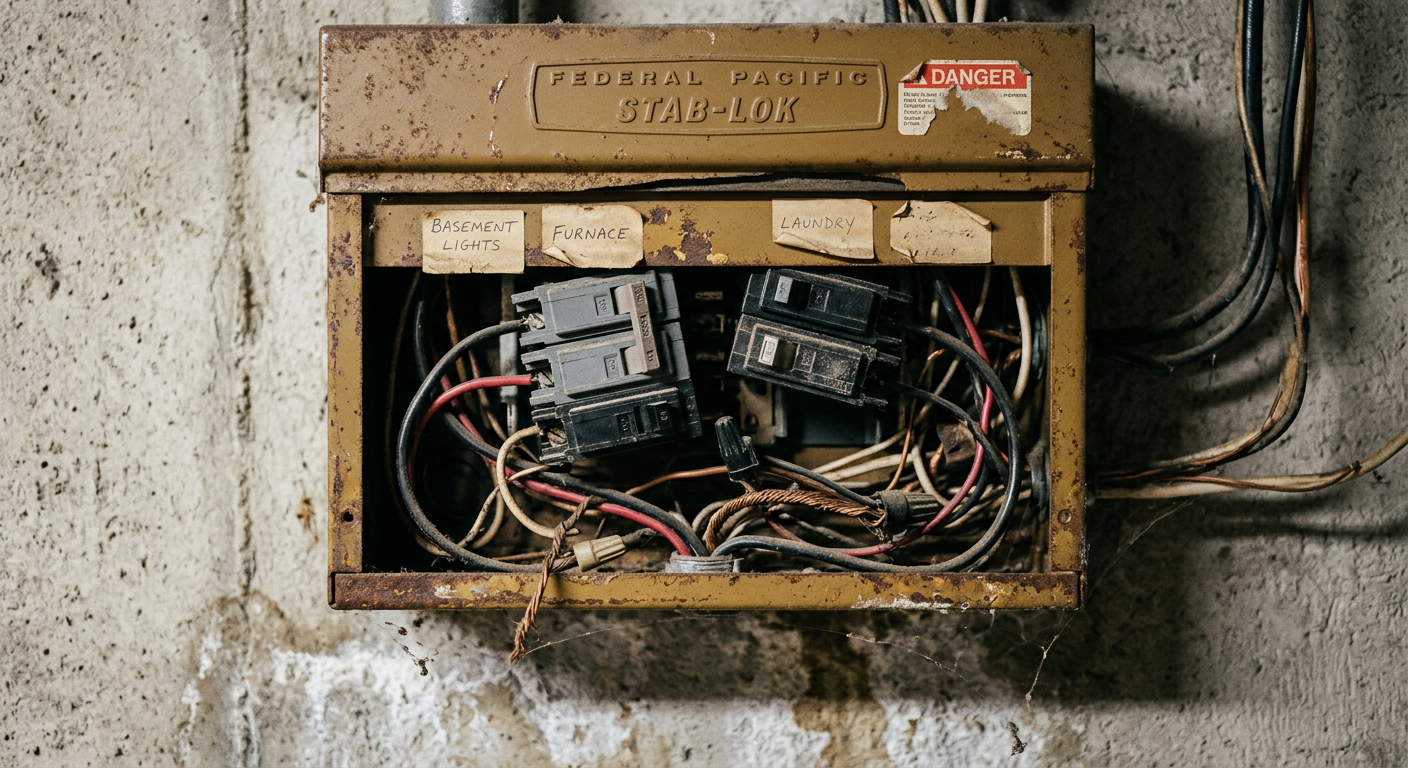
    Older residential electrical panel being identified for a Canadian replacement assessment

    Canada homeowner planning guide

    When and Why to Replace an Electrical Panel in Canada

    Replace an electrical panel when documented condition, damage, contamination, unsafe modification, unavailable approved parts, project requirements, or a defensible capacity plan makes replacement the durable correction. Age, a full panel, a 100A label, an EV charger, or one tripping breaker does not by itself prove the panel must be replaced. First identify the exact equipment and symptom, diagnose circuit and service causes, calculate planned demand where capacity matters, and compare focused repair, panel-only replacement, distribution changes, load management, and a complete service upgrade.

    Safety boundary

    Do not remove the panel cover or assume that switching off the main breaker makes every part of the enclosure safe. If there is smoke, flame, active arcing, a burning smell, crackling, severe heat, major impact damage, or water entering service equipment, keep people clear, call emergency services when appropriate, and contact the serving utility or a qualified electrical contractor. Do not repeatedly reset a breaker that will not remain set.

    Short answer

    What this project must establish

    Canadian electrical requirements are adopted and administered locally. This guide explains the durable planning questions; your province or territory, local authority, serving utility, equipment instructions, and responsible contractor determine the property-specific answer.

    Find your jurisdiction guide

    Smoke, arcing, burning odour, severe heat, melted material, major damage, or water entering service equipment can require urgent action.

    A breaker trip is a protective event that requires diagnosis; it is not proof that the panel is too small or defective.

    Panel age and brand help identify what to inspect, but condition, exact model, approved-parts availability, loading, environment, and modifications determine scope.

    A panel replacement can keep the same service rating; more breaker spaces do not increase approved electrical capacity.

    EV charging, heat pumps, suites, and other loads should be assessed with an accepted load method and realistic equipment settings before a service upgrade is selected.

    The completed project file should identify the contractor, permit, inspection, equipment, utility work, final rating, circuit directory, warranty, and invoice.

    Project triggers

    Situations that change the scope

    Hazard or equipment-condition evidence

    Heat damage, corrosion, contamination, damaged bus or enclosure components, unsafe modifications, incompatible devices, water exposure, arcing evidence, or unavailable approved replacement parts can support panel-level correction. The written assessment should connect the observation to the recommended scope.

    Renovation and electrification

    EV charging, heat pumps, electric water heating, suites, additions, hot tubs, workshops, solar, batteries, and generators can require circuits, spaces, controls, or capacity changes. They trigger design review, not an automatic panel or 200A-service replacement.

    Insurance, purchase, and sale

    An insurer, lender, buyer, or inspector may ask about older equipment, fuses, aluminum wiring, prior permits, or service capacity. Obtain the requirement in writing and distinguish an inspection request, specific correction, panel replacement, and service upgrade.

    Age or unknown service history

    An installation date or estimated age can justify a closer review, especially when labels, permits, maintenance records, breaker history, environmental exposure, or prior alterations are unclear. Canada has no single age at which every residential panel automatically expires.

    Water, fire, impact, or contamination

    Flooding, leaks, condensation, firefighting water, smoke residue, corrosion, pests, construction debris, chemical exposure, or physical impact can affect more than the visible enclosure. Equipment-by-equipment disposition should follow qualified assessment and applicable manufacturer or authority guidance.

    Recall or manufacturer notice

    A recall applies to the models, date ranges, identifiers, hazards, and remedies stated in the official notice. Search the Government of Canada database and manufacturer information using exact equipment identification; do not infer a recall from colour, age, or a similar brand name.

    Decision guide

    Resolve the design choices before pricing

    A defensible quote connects the existing condition and calculated demand to the proposed correction. It also separates contractor work, authority approval, and utility-owned scope.

    01

    Is the condition urgent?

    Separate active hazards from planned assessment items. Smoke, flame, arcing, burning odour, melted material, severe heat, major physical damage, or water in service equipment can require immediate isolation and emergency escalation. Limited spaces, age, unclear labels, insurer questions, and renovation plans usually support a scheduled assessment unless another hazard is present.

    02

    What is actually causing the symptom?

    Repeated trips, dimming, buzzing, heat, or odour can originate in a circuit, appliance, connection, breaker, panel bus, service conductor, neutral, or utility supply. Record the affected circuit, operating loads, timing, weather or moisture conditions, and visible closed-cover evidence. Diagnose the cause before treating a replacement panel as the remedy.

    03

    Can the exact equipment remain serviceable?

    Identify the manufacturer, model, breaker family, service and panel ratings, certification information, approved replacement devices, recall or safety notices, and visible condition. A broad brand name or installation year is not a complete conclusion. Replacement becomes more defensible when approved parts are unavailable or the enclosure, bus, connections, or configuration cannot be corrected durably.

    04

    Is the need condition, spaces, or capacity?

    Condition concerns safe equipment. Spaces concern approved circuit positions. Capacity concerns calculated or otherwise accepted electrical demand. A focused repair can correct one defect, a subpanel can add distribution spaces, a same-rating panel can modernize equipment, load management can control suitable loads, and a service upgrade can increase approved supply capacity. They are not interchangeable.

    05

    What scope will authorities and the utility see?

    Panel work commonly requires the locally applicable permit and inspection process. A service-capacity, meter, service-conductor, overhead, underground, disconnect, reconnect, or energization change can also involve the serving utility. The quote should identify each responsibility and the acceptance needed before power is restored.

    06

    What does age or a recall search prove?

    Age helps frame maintenance history and parts support but is not a condition test. A recall search is only conclusive when the exact model and affected identifiers match the notice. Record verified matches, non-matches, unknown labels, manufacturer advice, and any inspection limitations separately.

    What changes the project cost

    A Canada-wide installed price is not a substitute for a site-specific scope. Compare the same equipment, responsibilities, exclusions, and closeout standard.

    Focused repair versus panel replacement

    One approved breaker, termination, feeder, or circuit correction can be materially smaller than replacing the enclosure, transferring every circuit, correcting labels, adding surge protection, and addressing connected deficiencies.

    Panel-only versus complete service work

    A same-rating panel replacement differs from work involving the main disconnect, meter socket, mast or underground raceway, service conductors, grounding, utility connection, transformer, trenching, or service relocation.

    Circuit and existing-condition corrections

    Damaged conductors, incompatible breakers, double taps, corrosion, aluminum-wiring terminations, grounding or bonding issues, abandoned circuits, concealed alterations, hazardous materials, and insufficient working space can change scope after assessment.

    Authority, utility, access, and restoration

    Permit and inspection work, utility engineering and charges, outage timing, travel, multiple visits, temporary power, winter access, drywall or exterior restoration, landscaping, tax, and after-hours work should be shown rather than hidden in a single allowance.

    Equipment identification and availability

    Illegible labels, discontinued breaker families, uncertain compatibility, counterfeit risk, special-order equipment, recall remedies, manufacturer review, and documentation requests can affect both the selected scope and schedule.

    Occupancy and decision timing

    Medical equipment, sump pumps, heating or cooling, tenants, home-sale conditions, insurer deadlines, emergency damage, short outage windows, and temporary accommodation can change project sequencing and commercial risk.

    A jurisdiction-ready project sequence

    Do not schedule around an assumed installation day until equipment, permits, utility work, inspection, outage, and restoration dependencies are known.

    1. STEP 1

      Document symptoms and project triggers

      Record the address, property and occupancy type, panel and service labels, affected circuits, trip or odour history, visible condition, insurer wording, renovation scope, and planned major loads. Use closed-cover photographs only unless a qualified person is performing the assessment.

    2. STEP 2

      Identify equipment and existing scope

      Confirm the panel, main protection, breaker family, service rating, feeder arrangement, meter and service route, grounding and bonding context, prior alterations, permit records where available, and customer-versus-utility ownership boundaries.

    3. STEP 3

      Diagnose condition and calculate demand

      Test the symptom and inspect accessible equipment using qualified methods. Where capacity or new loads are involved, use the method accepted by the local authority and include actual equipment ratings, configured settings, simultaneous operation, and realistic future plans.

    4. STEP 4

      Compare durable correction paths

      Compare circuit repair, exact breaker replacement, connection correction, panel-only replacement, subpanel, feeder changes, load management, service increase, and staged future work. The recommendation should explain why narrower options do or do not solve the documented need.

    5. STEP 5

      Coordinate permit, utility, and outage

      Assign the legal contractor, permit holder, inspections, utility application, meter work, disconnect, reconnect, equipment ordering, site readiness, restoration, temporary-power limits, and conditions that could delay energization.

    6. STEP 6

      Verify installation and retain closeout

      Confirm approved equipment, breaker compatibility, circuit labels, settings, grounding and bonding scope, required inspection acceptance, utility records, final service rating, warranty, paid invoice, and the responsible contractor's contact information.

    Questions every written quote should answer

    • Which documented defect, parts issue, insurer requirement, or capacity result supports replacement?
    • What focused repair or distribution alternative was considered, and why is it not the durable path?
    • Does the proposal replace the panel at the same rating, increase service capacity, or do both?
    • Which panel, approved breakers, surge protection, grounding, bonding, labels, feeders, meter, and service components are included?
    • Who holds the permit, requests inspections, coordinates the utility, and resolves deficiencies?
    • What outage duration is expected, and which approvals or site conditions could delay reconnection?
    • Which circuit corrections, utility charges, restoration, hazardous-material work, tax, and change-order items are excluded?
    • What final documents prove equipment, service rating, inspection status, utility acceptance, and warranty?
    • Which exact model identifiers, approved-parts sources, recall searches, manufacturer notices, and inspection limitations support the equipment conclusion?
    • Can the work be staged or narrowed safely, and what future limitation remains under each repair, replacement, load-management, or service option?

    Build an auditable project file

    Another qualified professional should be able to understand what existed, why the scope changed, who approved it, what was installed, and how the project closed.

    Existing condition

    Service rating, closed-cover equipment identification, observed condition, symptoms, accessible configuration, and the planned loads or project trigger.

    Approved scope

    Legal contractor, equipment, circuit and service work, permit holder, inspection, utility responsibilities, restoration, exclusions, and change-order rules.

    Installation record

    Permit number where required, approved equipment, labelled circuits, documented changes, inspection milestones, and utility instructions where applicable.

    Closeout file

    Final acceptance or inspection status, equipment information, settings, warranty, utility records, paid invoice, and the responsible contractor's contact details.

    Canadian questions

    Electrical panel replacement decision FAQ

    What are the clearest reasons to replace an electrical panel?+

    Documented bus or enclosure damage, severe corrosion or contamination, overheating or arcing evidence, unsafe modification, unavailable approved replacement parts, an uncorrectable configuration, or project requirements the existing equipment cannot support can justify replacement. The assessment should identify the exact evidence and distinguish panel replacement from circuit repair and service upgrade.

    Should an electrical panel be replaced after 25 or 30 years?+

    Age alone is not a national replacement rule. It can justify closer assessment, especially when records or parts are limited. Exact equipment, condition, loading, environment, modifications, approved-parts availability, insurer requirements, and planned work determine whether maintenance, repair, replacement, or broader service work is reasonable.

    Does a tripping breaker mean the panel needs replacement?+

    No. A breaker can operate because of overload, a short circuit, ground fault, arc-fault response, appliance problem, moisture, loose connection, damaged conductor, breaker issue, or panel damage. Diagnose the affected circuit, device compatibility, connections, and bus condition before selecting scope.

    Does a full panel need to be replaced?+

    Not automatically. A full panel is a distribution-space issue, while electrical capacity is a separate demand question. Approved consolidation, a subpanel, a larger same-rating panel, load management, or a complete service upgrade may be considered based on the equipment, service, feeder, planned circuits, and local requirements.

    Does a 100 amp service need to be upgraded to 200 amps?+

    Not by label alone. Heating, hot water, cooking, EV charging, suites, major equipment, historical demand where accepted, future loads, and operating requirements determine the result. Some properties need more capacity; others can use lower settings, sequencing, efficiency, or approved load management.

    Should every Federal Pacific or Stab-Lok panel be replaced?+

    Use exact equipment identification, condition evidence, applicable product information, local authority requirements, and insurer wording. The U.S. CPSC's published FPE notice says its investigation closed without making a determination about the safety of FPE breakers and advises consumers to interpret the notice carefully. A property-specific recommendation should not misstate that record.

    Can a panel be replaced without upgrading the electrical service?+

    Yes. A panel can be replaced at the same service rating when the accepted design, equipment, conductors, main protection, and local requirements support that scope. The contract and final records should state the service rating clearly so a larger enclosure is not mistaken for increased supply capacity.

    What should I receive after an electrical panel replacement?+

    Retain the signed scope and final invoice, legal contractor information, permit identifier, inspection acceptance, utility correspondence where applicable, equipment and breaker schedule, updated circuit directory, load or design records, final service rating, settings, photographs, warranty, and change orders.

    How long does an electrical panel last?+

    There is no single Canadian expiry age for every residential panel. Installation quality, exact equipment, loading, environment, water or contamination, modifications, maintenance, breaker operation, approved-parts support, recalls, insurer requirements, and planned work all affect the decision. Use age to trigger evidence gathering, not an automatic replacement sale.

    How do I check whether my electrical panel or breakers are recalled?+

    Record closed-cover manufacturer, model, catalogue, date-code, serial, breaker-family, certification, and other visible identifiers without opening the enclosure. Search the Government of Canada recalls and safety alerts database and manufacturer notices, then have a qualified professional resolve uncertain or inaccessible identification. Follow the exact remedy in a matching notice.

    Does rust or water staining mean the whole panel must be replaced?+

    It proves that moisture exposure needs investigation, not the complete remedy. Qualified assessment should identify the source, exposure path, affected enclosure, bus, breakers, connections, insulation and electronic protective devices. Some water-damaged equipment requires replacement even after it looks dry; correct the source before re-energization or replacement.

    Can an electrical panel be repaired instead of replaced?+

    Sometimes. An exact approved breaker, connection, circuit, label, enclosure component, grounding item, or other focused correction may solve a documented problem when the panel and bus remain serviceable. Replacement is more defensible when damage, contamination, unsafe alteration, unsupported equipment, unavailable approved parts, or the required project scope cannot be corrected durably.
    Property-specific next step

    Planning electrical panel work?

    Send the property location, panel details, project trigger, planned loads, and timing. Provider availability, licensing, scope, price, permit responsibility, and utility scheduling are confirmed before work is booked.

    Scope-first project reviewNo DIY panel instructions