Skip to content
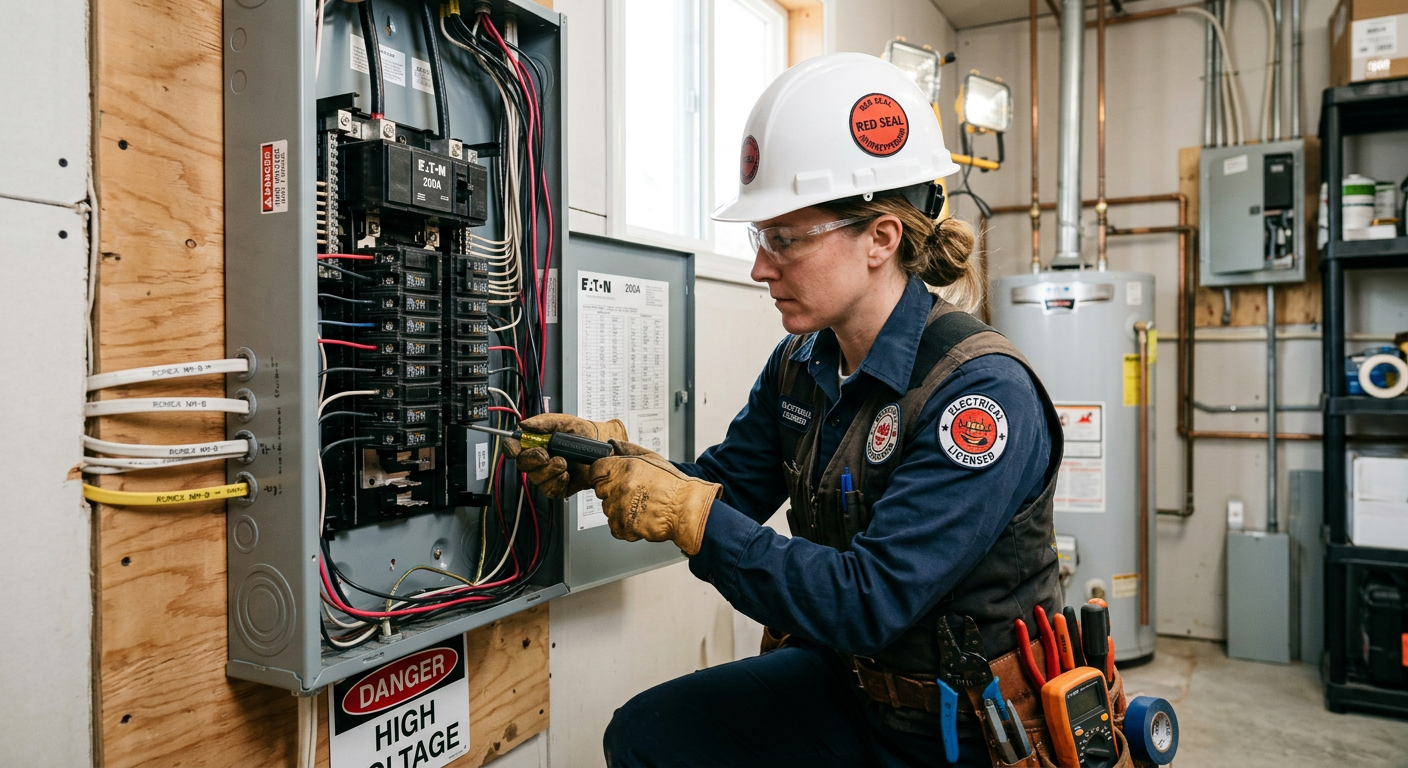
    Qualified electrician assessing residential wiring and panel connections

    Evidence-led Canadian guide

    Aluminum Wiring in Canadian Homes

    Separate aluminum service and feeder conductors from branch wiring, then map terminations, approved devices, condition, remediation scope and insurer evidence circuit by circuit.

    Citation-ready answer

    What the evidence supports

    Canada does not have one permit process, one utility standard, one service configuration, or one installed price. Durable answers distinguish the national planning principle from the local decision.

    Complete answer

    Aluminum conductors are not automatically a reason to rewire a house. The important distinction is between large aluminum service or feeder conductors and smaller branch-circuit wiring, then between sound approved terminations and damaged, loose, incompatible or altered connections. ESA guidance says reported problems have related to overheating and failure at terminations and emphasizes devices and connection methods approved for aluminum. A qualified inspection, local permit requirements and the insurer's written documentation request should guide remediation.

    Aluminum is still used in electrical distribution and larger feeders; its presence alone does not identify a defect.

    ESA says residential concerns are concentrated at terminations and incompatible copper-only devices.

    Some homes contain both copper and aluminum branch wiring, so sampling one outlet is not a complete survey.

    Insurance requirements vary; ask for the accepted remedy and evidence before choosing scope.

    Immediate safety note

    Do not pull receptacles or switches from boxes, tighten panel lugs, or open splices to identify conductor metal. Stop using a device that is hot, discoloured, buzzing, arcing, loose or smells burned, and arrange prompt qualified assessment.

    01

    Identify conductor type and extent

    Separate branch-circuit wiring from larger service and feeder conductors, and map where each is present.

    A home may have aluminum service conductors, aluminum feeders, aluminum branch circuits, copper circuits or a mixture. Those are different systems with different sizes, devices and assessment questions.

    A useful survey records panel labels, conductor markings where safely visible to a qualified person, circuit destinations, device markings, splice methods and renovation history. Construction era is a screening clue, not proof of material or condition.

    02

    Understand where problems concentrate

    Connection design, device compatibility, workmanship, oxidation, damage and thermal cycling matter at terminations.

    ESA explains that reported problems have involved overheating and failure of aluminum terminations, including incompatibility with devices intended for copper. Aluminum conductors are softer and can be damaged by poor stripping, nicking, crushing or unsuitable termination technique.

    Warmth, discolouration or arcing requires attention, but an installation can also need assessment without visible warning. The review should include accessible receptacles, switches, luminaires, junctions, panel terminations and any prior copper pigtails using methods accepted for that jurisdiction.

    03

    Build a qualified inspection record

    Ask for circuit-by-circuit findings and representative evidence, not a one-line letter.

    The report should state which circuits were identified, which devices and connectors were sampled, what approval markings were found, whether boxes have adequate space, and where heat damage, loose connections, corrosion, damaged conductors or copper-only devices exist.

    Inspection rules and contractor qualifications vary across Canada. ESA guidance is authoritative in Ontario and technically useful elsewhere, but the local authority having jurisdiction determines the accepted code, permit and inspection path for the property.

    04

    Compare remediation approaches

    The accepted correction can involve approved devices, approved connection systems, targeted circuit work or rewiring.

    Do not choose a generic pigtail from its brand name alone. The connector, conductor sizes and combination, tools, preparation, box volume, installation instructions and local acceptance all matter. Device replacement likewise requires markings suitable for the conductors and application.

    Full rewiring may be considered when damage is widespread, access is already open, the circuit design is obsolete, prior alterations are extensive, or the owner wants a broader renovation. It is not a universal requirement solely because aluminum is present.

    05

    Coordinate panels, insurance and records

    A panel project is an opportunity to document terminations but does not automatically remediate every device in the home.

    Define whether the panel quote includes only terminations at the new panel, inspection of accessible branch connections, device or splice remediation, new circuits, or full rewiring. Wall repair, hazardous materials and finish restoration should be separate line items.

    Ask the insurer what evidence it requires: inspection findings, permit, certificate, contractor invoice, photographs or a specific remediation method. Retain the circuit map, connector and device schedule, permit and inspection outcome, photos, test notes and warranty.

    06

    Design a defensible sampling plan

    The inspection scope should reflect the home's circuits, device types, renovations and risk indicators rather than one convenient outlet.

    Map circuits from the panel directory and identify additions, renovated rooms, high-load appliances, warm or discoloured devices, flicker complaints and locations with mixed conductor evidence. The proposal should state whether every accessible device is opened by a qualified person or a defined sample is used, how that sample is distributed and what finding expands the scope. Closed or inaccessible boxes and concealed splices remain limitations that must be reported.

    For each inspected point, record conductor material and condition, device or connector marking, preparation and termination method, box space, signs of overheating or arcing and whether copper and aluminum are joined. Photos should be tied to circuit and location. A one-page letter that does not identify the sample, findings and limitations can be difficult for another electrician, insurer or future owner to interpret.

    07

    Verify the proposed remediation system

    A connector or device name is only the beginning; the complete installed method must match approval and instructions.

    Ask for the exact connector or device manufacturer and model, recognized Canadian approval marking, permitted aluminum and copper conductor sizes and combinations, required preparation, compound if specified, installation tool and settings, conductor length, box-volume effect and accessibility requirements. Confirm local authority acceptance and whether the work requires a permit or notification before selecting the method.

    The work record should show which circuits and connection points were remediated and which were not. Where a proprietary tool or trained installation process is required, identify the provider and quality-control record. For replacement devices rated for aluminum conductors, keep the device schedule and installation instructions. Product approval does not excuse damaged conductors, inadequate boxes or workmanship outside the listed use.

    08

    Price targeted work against rewiring

    Compare complete outcomes, including access, finishes, panel work and the residual uncertainty each option leaves behind.

    A targeted proposal can be organized by verified connection count and circuit, with allowances for damaged conductors, undersized boxes, inaccessible splices and devices outside the initial sample. A rewiring proposal should identify which circuits are replaced, new routes and protection, panel terminations, demolition, hazardous-material controls, fire stopping, patching, painting, cabinetry and occupant disruption. Quotes that exclude most finish work are not directly comparable to turnkey proposals.

    Targeted remediation can preserve sound wiring but leaves concealed conductor runs and uninspected points subject to the documented limitations. Full rewiring can address broader circuit layout and renovation goals, yet it may create significant building work and still needs a panel, permit and closeout plan. Select the option that satisfies the authority, insurer and owner's risk and renovation objectives, not a universal rule based only on construction year.

    09

    Control future repairs and renovations

    The value of a remediation record depends on whether later work can identify and preserve the accepted connection system.

    Place the circuit map, connector and device schedule, product instructions, permit record and photographs with the panel documentation. Labels should be accurate without making unsupported claims such as all aluminum removed when conductors remain. Give future electricians the limitations and locations that were inaccessible. When a receptacle, switch, luminaire, panel or circuit is later changed, the new work should reassess the affected conductor and termination instead of assuming the earlier remediation automatically transfers to new equipment.

    Before insulation, kitchen work, basement development or wall closure, coordinate electrical access and inspection stages. Renovations can reveal concealed splices or mixed wiring and can also damage or disturb existing conductors. Define who updates the map and completion schedule when scope expands. For insurance renewals or a sale, submit the original findings and completed-work package together so the reader can distinguish the initial condition, exact correction, remaining aluminum circuits and any later permitted alterations.

    Add a durable owner note identifying the date, contractor, permit, remediation system and record location without placing unsupported technical instructions at the panel. Future work should go back to the product instructions and local requirements current at that time. Connectors, devices, code editions and insurer criteria can change, so the historical file proves what was done; it does not authorize every later alteration or guarantee perpetual acceptance.

    Comparison

    Aluminum wiring decision framework

    Match the finding to an accepted correction rather than pricing every home by outlet count.

    FindingEvidence neededPossible responseKey limitation
    Large service or feeder conductorSize, equipment marking and termination conditionMaintain or correct the terminationNot the same issue as branch wiring
    Compatible sound branch devicesMarkings, workmanship and inspection recordDocument and monitor as advisedSampling may not cover hidden connections
    Copper-only or damaged deviceDevice and conductor identificationApproved device or connection correctionBox fill and conductor condition matter
    Mixed or altered wiringCircuit map and splice evidenceTargeted remediation planPrior work may be hidden
    Widespread defects or renovationAccess, condition and project objectivesPartial or full rewiring comparisonCost depends heavily on finishes and access

    Verification ledger

    Prove what is installed and what was corrected

    A reliable aluminum-wiring decision keeps conductor type, sampled condition, approved remediation, insurer acceptance and completed-work evidence in separate, traceable records.

    01

    Claim to test

    The house has aluminum wiring

    Proof to request

    Qualified identification separating service, feeder and branch conductors, with circuit mapping, conductor markings and representative location records.

    Decision unlocked

    Whether the concern involves normal larger aluminum conductors, residential branch circuits or a mixed system requiring broader mapping.

    02

    Claim to test

    The wiring is in good condition

    Proof to request

    Defined inspection scope and limitations, circuit and location sample, device and connector markings, termination condition, heat or damage findings and photos.

    Decision unlocked

    Whether maintenance, expanded assessment or immediate correction is supported and what uncertainty remains concealed.

    03

    Claim to test

    Copper pigtailing will solve it

    Proof to request

    Exact approved connection system, conductor combinations and sizes, installation instructions, tools, box-volume assessment, local acceptance and provider method.

    Decision unlocked

    Whether the proposed method is applicable at each point or different devices, circuit repairs or rewiring are required.

    04

    Claim to test

    The insurer will accept the work

    Proof to request

    Written property-specific insurer requirements naming the accepted inspection, provider, remedy, permit, photographs and final certificate or report.

    Decision unlocked

    Which technical and documentation scope should be completed before the underwriting deadline.

    05

    Claim to test

    Every connection was remediated

    Proof to request

    Circuit-by-circuit completion schedule, point count and locations, product records, before and after photos, permit and inspection outcome, limitations and invoice.

    Decision unlocked

    Whether the closeout supports the claimed extent or only documents a sample or partial correction.

    Evidence to collect

    A useful project file lets another qualified professional understand the existing condition and the proposed decision.

    • Service, feeder and branch-conductor types kept distinct
    • Circuit map and extent of aluminum branch wiring
    • Device, connector and equipment approval markings
    • Termination, heat, corrosion, conductor-damage and box-fill findings
    • Local permit, contractor and inspection requirements
    • Insurer's written remedy and documentation requirements

    Questions for the written scope

    1. 01Which aluminum conductors and circuits did you identify?
    2. 02What devices, connectors and box conditions were inspected?
    3. 03Which exact approved remediation method is proposed?
    4. 04Does the price include panel terminations, devices, splices or rewiring?
    5. 05Which wall openings and finish repairs are excluded?
    6. 06What permit, inspection and circuit records will I receive?

    Canadian questions

    Frequently asked questions

    Is aluminum wiring legal in Canada?+

    Aluminum conductors remain in use. Installation requirements and accepted equipment are jurisdiction-specific; the meaningful question is whether the exact conductors, devices and terminations are approved, sound and properly installed.

    Is all aluminum wiring a fire hazard?+

    No blanket conclusion fits every installation. ESA identifies concerns at terminations, particularly incompatible devices and poor or damaged connections. The exact system needs qualified assessment.

    How do I know whether my home has aluminum branch wiring?+

    Construction era is only a clue. A qualified inspection can identify conductor markings, circuit extent, device and connector markings, terminations and mixed wiring without unsafe homeowner disassembly.

    What is copper pigtailing for aluminum wiring?+

    It is a transition from aluminum to copper using a connection method approved for the conductor combination and application. Connector instructions, preparation, tools, box volume and local acceptance matter.

    Must aluminum wiring be fully replaced?+

    Not solely because it exists. Approved targeted remediation may be possible; widespread damage, inaccessible alterations, renovation goals or insurer requirements can make broader rewiring appropriate.

    Will insurance accept aluminum wiring remediation?+

    Insurers set their own underwriting requirements. Ask the actual insurer in writing which inspection, remedy, permit, certificate, photos and contractor records it will accept.

    Can a panel replacement fix aluminum wiring?+

    It can provide new approved panel terminations, but it does not automatically correct receptacles, switches, luminaires and splices throughout the home. Define the branch-circuit scope separately.

    How much does aluminum wiring remediation cost?+

    The total depends on circuit count, device and splice count, selected accepted method, damage, box volume, access, wall restoration, permit and documentation. Obtain circuit-level scopes rather than a generic per-connection price.

    What years were aluminum-wired homes built in Canada?+

    Construction era can help screen a property, but it cannot prove conductor material, circuit extent or condition. Renovations may create mixed systems, and larger aluminum service or feeder conductors remain common. Use qualified identification and a circuit map rather than treating a date range as a diagnosis.

    What are warning signs at aluminum-wiring connections?+

    Possible signs include warmth, discolouration, flicker, arcing, buzzing, a loose device or the smell of hot insulation or plastic. Stop using affected equipment and arrange qualified assessment. The absence of symptoms does not verify every concealed or accessible termination, so insurance or renovation questions may still justify a defined inspection.

    Are CO/ALR devices an aluminum-wiring solution?+

    A device marking must be matched to the conductor, application and current local requirements. It does not correct damaged conductors, unsuitable splices, inadequate box volume or other circuit defects. Ask the contractor to identify the exact device, approval, installation method and locations included in the remediation schedule.

    Is every copper-to-aluminum connector approved in Canada?+

    No. A connector must carry a recognized approval applicable to the exact conductor materials, sizes, combinations and installation. Manufacturer instructions, preparation, tools, box space and local authority acceptance matter. A product sold online or described as suitable is not enough evidence by itself.

    Should every outlet be inspected in an aluminum-wired home?+

    The appropriate scope depends on the insurer or project objective, circuit map, prior alterations and findings. If sampling is proposed, require the sample size, locations, selection basis, expansion trigger and limitations in writing. A single easy-to-access receptacle is not representative evidence for an entire mixed or altered home. The final report should distinguish inspected, remediated, inaccessible and out-of-scope points so no later reader mistakes a sample for complete connection-by-connection verification.

    Can aluminum wiring be left in place during a renovation?+

    Possibly, when the retained installation and all affected terminations are assessed and accepted for the project. New work, opened walls, changed devices and panel terminations can create an opportunity or requirement to correct specific conditions. Coordinate permit, insurer and renovation scope before finishes close access.

    What documentation should follow aluminum-wiring remediation?+

    Keep the original inspection and limitations, circuit map, exact connector or device schedule, locations and counts, approval and instruction records, permit and inspection outcome, before and after photos, tests where applicable, contractor credentials, warranty and invoice. The closeout should say clearly what was not inspected or changed and identify any circuits, concealed splices, fixtures or exterior equipment that remain subject to future assessment.
    ElectricalPanels.ca is an education and request-routing platform. Before work begins, verify the legal contractor, applicable licence, insurance, permit holder, inspection responsibility, utility role, written exclusions, warranty, and change-order terms.

    Property-specific next step

    Planning electrical panel work?

    Send the property location, panel details, project trigger, planned loads, and timing. Provider availability, licensing, scope, price, permit responsibility, and utility scheduling are confirmed before work is booked.

    Scope-first project reviewNo DIY panel instructions