Skip to content
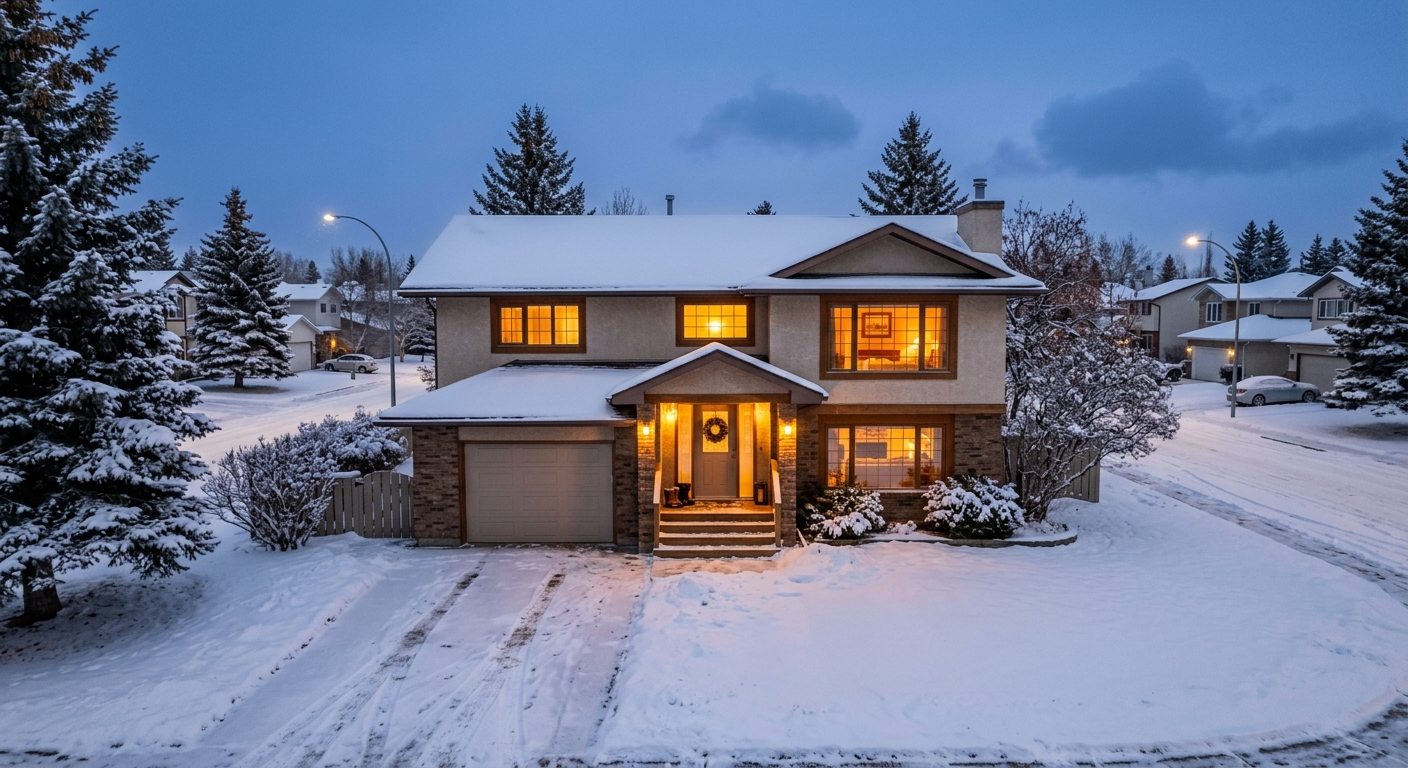
    Canadian house exterior used to plan an overhead or underground electrical service entrance

    Canada homeowner planning guide

    Meter Base and Electrical Service Entrance in Canada

    The electricity meter, meter base and service entrance are related but different. The utility's revenue meter plugs into or attaches to the meter base or socket, while the service entrance is the broader path that can include the weatherhead, mast or underground raceway, service conductors, meter equipment, disconnect and connection to the panel. Ownership and the point of demarcation vary by utility and service design. Before repair, replacement, relocation or a capacity upgrade, identify every component, confirm who owns or controls it, and coordinate the electrician, permit authority and serving utility.

    Safety boundary

    Never remove an electricity meter, break a utility seal, touch a damaged mast or weatherhead, or approach fallen or exposed service conductors. The service can remain energized even when the main breaker is off. Keep clear and contact emergency services or the serving utility when there is arcing, fire, a fallen line, severe impact or another immediate hazard.

    Short answer

    What this project must establish

    Canadian electrical requirements are adopted and administered locally. This guide explains the durable planning questions; your province or territory, local authority, serving utility, equipment instructions, and responsible contractor determine the property-specific answer.

    Find your jurisdiction guide

    The electricity meter measures energy; the meter base or socket is the enclosure and connection equipment that receives it.

    A 200A marking on a meter does not by itself prove that the property has a complete 200A electrical service.

    Replacing a distribution panel can leave the meter base, service conductors and utility service unchanged.

    Moving a meter base, mast, weatherhead, underground route or point of attachment can require utility design acceptance before construction.

    Permit inspection and utility reconnection are separate gates, and both may need to be complete before power is restored.

    Utility ownership and customer responsibility are not uniform across Canada; use the current standard for the exact address and service configuration.

    Project triggers

    Situations that change the scope

    Damaged or deteriorated meter base

    Corrosion, loose mounting, heat damage, water entry, a damaged cover or utility inspection notice can require prompt assessment. The repair scope may extend into service conductors, grounding, siding and utility disconnect or reconnect work.

    100A-to-200A service upgrade

    A capacity increase can change the meter socket rating, conductors, mast or underground route, disconnect, panel and utility connection. The equipment must be selected from the accepted design, not from one visible meter label.

    Exterior renovation or relocation

    Siding, additions, demolition, decks, windows and access changes can conflict with metering or service clearances. Obtain utility location acceptance before ordering equipment or closing walls.

    Storm or impact damage

    A pulled mast, bent weatherhead, detached conduit, vehicle impact or fallen branch can involve both customer-owned and utility-controlled equipment. Keep away and let the utility establish the safe sequence.

    Underground service work

    Cable faults, trench changes, additions and landscaping can affect locates, property-line demarcation, conduit, depth, drainage, easements, utility cable and restoration responsibility.

    Suite or multi-meter project

    Adding or reorganizing metering can trigger utility design, grouping, access, identification, service capacity, disconnect, fire-separation and account requirements beyond a conventional panel project.

    Decision guide

    Resolve the design choices before pricing

    A defensible quote connects the existing condition and calculated demand to the proposed correction. It also separates contractor work, authority approval, and utility-owned scope.

    01

    Name the exact equipment

    Separate the meter, meter base or socket, weatherhead, mast, attachment, overhead or underground conductors, raceway, disconnect, grounding, panel and utility connection in the written scope.

    02

    Map ownership and control

    Use the serving utility's current standard to mark the demarcation point, customer-maintained equipment, utility-owned equipment and any component the contractor must not remove or energize.

    03

    Repair, retain, move or replace

    Document the condition and ratings of each component, then state what remains, what changes and why. A meter-base repair does not automatically require a larger service or new distribution panel.

    04

    Overhead or underground

    Compare attachment and clearance needs, mast support, trenching, locates, easements, conduit, drainage, cable length, utility design, restoration and future access for the property.

    05

    Existing or increased capacity

    Verify the complete service rating and calculated demand. Treat service capacity, panel bus rating, main protection, meter equipment and breaker spaces as related but distinct constraints.

    06

    Outage and restoration

    Define the disconnect request, site-ready requirements, inspection or authorization, reconnection, temporary needs and responsibility for roofing, siding, drywall, landscaping and concealed damage.

    What changes the project cost

    A Canada-wide installed price is not a substitute for a site-specific scope. Compare the same equipment, responsibilities, exclusions, and closeout standard.

    Meter equipment

    Socket style, rating, bypass or multi-meter arrangement, approved model, enclosure condition, conductors, disconnect and compatibility with utility requirements.

    Overhead service

    Mast and weatherhead, attachment, support, conductor length, roof or soffit work, clearances, utility connection and safe access.

    Underground service

    Locates, trench or boring, conduit, cable, property-line handoff, easements, drainage, pavement, landscaping and settlement restoration.

    Utility and authority process

    Design, application, permit, inspection, disconnect, reconnect, utility construction, repeat visits, scheduling and any transformer or network work.

    Panel and grounding scope

    Service conductors, main disconnect, panel, grounding and bonding, surge protection, load calculation, obsolete equipment and connected deficiencies.

    Building and access work

    Siding, roofing, wall penetrations, fire stopping, structural support, finished spaces, restricted access, temporary power and weather protection.

    A jurisdiction-ready project sequence

    Do not schedule around an assumed installation day until equipment, permits, utility work, inspection, outage, and restoration dependencies are known.

    1. STEP 1

      Record the service from a safe distance

      Photograph accessible labels and the exterior route without touching, opening or approaching damaged equipment. Note the address, utility, overhead or underground configuration and project objective.

    2. STEP 2

      Have the service assessed

      A qualified electrical contractor should verify accessible equipment, condition, ratings, grounding, panel relationship, proposed loads and whether a load calculation or urgent utility response is required.

    3. STEP 3

      Open the utility path

      Confirm the point of demarcation, accepted meter location and equipment, design or application requirements, utility work, fees, lead times and disconnect or reconnect process.

    4. STEP 4

      Complete design and permits

      Fix the service rating, equipment, route, attachment or trench, protection, grounding, building penetrations, restoration, permit holder and inspection sequence before installation.

    5. STEP 5

      Coordinate disconnect, work and inspection

      Schedule the utility, contractor and inspector around the stated prerequisites. Do not assume that inspection automatically books or guarantees utility reconnection.

    6. STEP 6

      Close the project record

      Retain the utility acceptance, permit and inspection record, load calculation where applicable, equipment schedule, photos, labels, test results, warranty and paid invoice.

    Questions every written quote should answer

    • Which components are utility-owned, utility-controlled and customer-owned at this address?
    • Is this a meter-base repair, service-equipment replacement, relocation or capacity upgrade?
    • Which utility standard and accepted drawing support the proposed equipment and location?
    • What complete service rating and load evidence support the design?
    • Which mast, weatherhead, conductors, underground route, disconnect, panel and grounding work is included?
    • Who obtains permits, utility approval, disconnect, inspection and reconnect appointments?
    • What must be complete before power can be restored, and what is the outage contingency?
    • Who completes siding, roofing, trench, pavement, landscaping and interior restoration?
    • Which utility, inspection, equipment, test and warranty records will I receive?

    Build an auditable project file

    Another qualified professional should be able to understand what existed, why the scope changed, who approved it, what was installed, and how the project closed.

    Existing condition

    Service rating, closed-cover equipment identification, observed condition, symptoms, accessible configuration, and the planned loads or project trigger.

    Approved scope

    Legal contractor, equipment, circuit and service work, permit holder, inspection, utility responsibilities, restoration, exclusions, and change-order rules.

    Installation record

    Permit number where required, approved equipment, labelled circuits, documented changes, inspection milestones, and utility instructions where applicable.

    Closeout file

    Final acceptance or inspection status, equipment information, settings, warranty, utility records, paid invoice, and the responsible contractor's contact details.

    Canadian questions

    Meter base and service entrance FAQ

    What is the difference between an electric meter and a meter base?+

    The meter is the revenue-measurement device. The meter base or socket is the enclosure and electrical connection equipment that receives the meter and connects the supply side to the customer service equipment.

    Who owns the electricity meter and meter base in Canada?+

    There is no single Canada-wide ownership rule. A utility commonly owns or controls the revenue meter, while the property owner is often responsible for the meter base and customer-side service equipment. Confirm the exact demarcation with the serving utility.

    Does a 200 amp meter mean I have 200 amp service?+

    No. A meter may be approved for a range of service sizes. The conductors, meter base, disconnect, main protection, panel and utility connection must all support the stated service rating.

    Can an electrician remove or reinstall the utility meter?+

    Only under the serving utility's process. Utilities can restrict seal breaking, meter removal and work on energized supply conductors. The contractor should arrange the required disconnect and reconnect rather than assume permission.

    Does meter-base replacement require a permit and inspection?+

    It commonly involves regulated service work, but the permit holder and inspection process vary by jurisdiction and scope. Confirm both the electrical authority and utility requirements before work begins.

    Can I replace the meter base without replacing the electrical panel?+

    Sometimes. If the panel, service rating and other equipment remain suitable, the project may focus on the meter socket and connected service work. Existing damage, incompatible ratings or a planned upgrade can broaden the scope.

    Can an electric meter or meter base be moved?+

    Often, but the utility may control the accepted location, access, height, clearances, route and equipment. Obtain written design or location acceptance before construction or exterior finishes are committed.

    What are signs of a damaged service mast or weatherhead?+

    A leaning or detached mast, cracked fittings, pulled attachment, exposed conductors, scorch marks, arcing or storm impact needs immediate distance and utility contact. Do not touch or attempt to brace it.

    Who is responsible for underground electrical service cable?+

    Responsibility depends on the utility's demarcation and service design. The owner may be responsible for some conduit, cable, trench or route on private property while the utility controls other portions. Verify before excavation or repair.

    How much does meter-base or service-entrance work cost?+

    Cost depends on the exact equipment, service rating, damage, overhead or underground route, utility work, permit, inspection, outage, access and restoration. Compare itemized quotes based on the same utility-accepted scope.

    How long will power be off for meter-base work?+

    The physical work may fit within a planned outage, but reconnection depends on scheduling, inspection or authorization, site conditions, deficiencies and utility prerequisites. Obtain the sequence and contingency in writing.

    What should I do after storm damage to the service entrance?+

    Keep people away, avoid touching the building service or nearby metal, and contact emergency services or the serving utility as the conditions require. Arrange qualified repair only after the utility establishes a safe work sequence.
    Property-specific next step

    Planning electrical panel work?

    Send the property location, panel details, project trigger, planned loads, and timing. Provider availability, licensing, scope, price, permit responsibility, and utility scheduling are confirmed before work is booked.

    Scope-first project reviewNo DIY panel instructions